When Visibility Becomes a Distraction
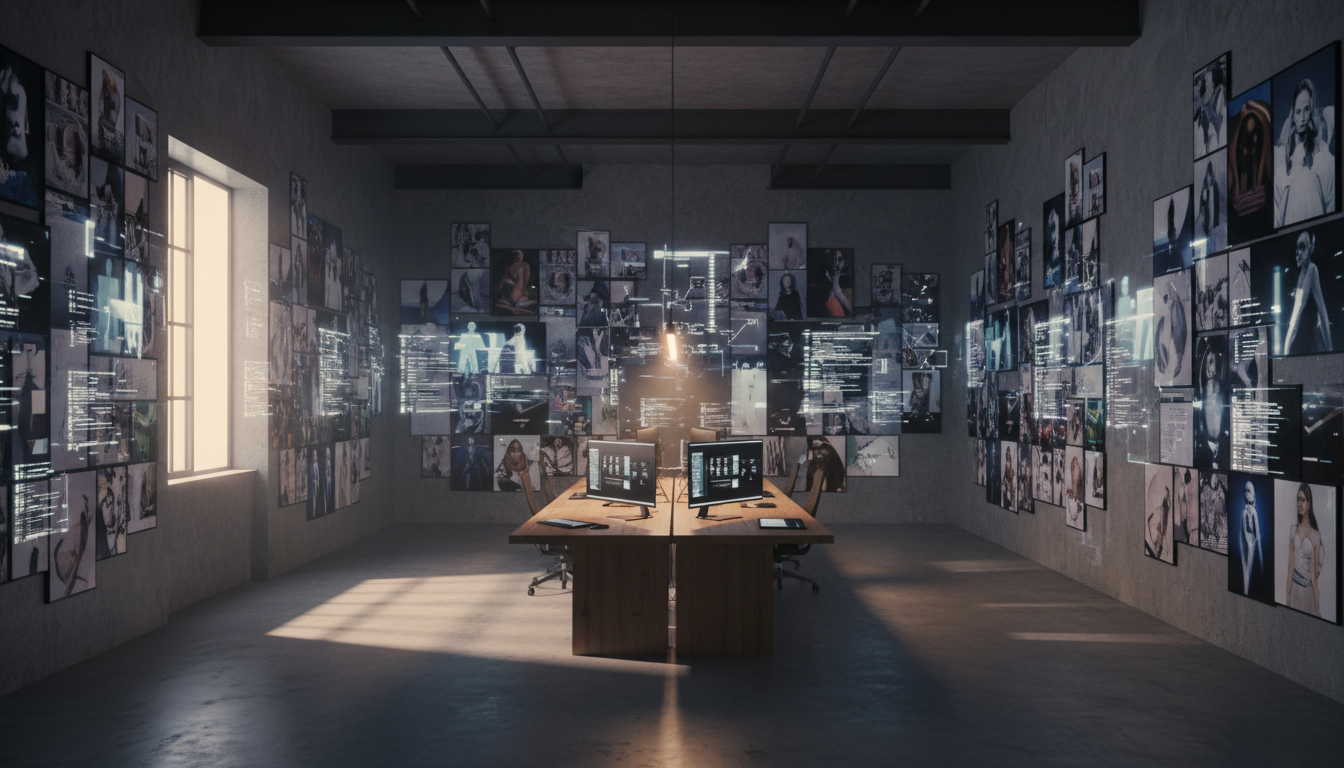
In interviews reflecting on her career, Solange Knowles has spoken about intentionally stepping back from visibility at certain points in order to protect the integrity of her work. Not because opportunities were absent, but because constant exposure began to interfere with the depth and clarity required to create what she was actually called to build. That decision is often misunderstood, particularly in a landscape where presence is treated as proof of progress.
Visibility is not the same as progress. It can support what is being built, but it can also distract from it, and the shift between those two things is subtle enough that most creatives do not notice it until it has already happened.
You begin by sharing your work. Then you begin adjusting your work to maintain visibility. Over time, the focus moves from building something meaningful to maintaining presence. The work becomes shaped by what performs rather than what is aligned. Time that should be spent refining, thinking, and developing is redirected toward staying seen. Energy that should be invested in depth is distributed across platforms. Attention becomes fragmented. This is where distraction begins, not as inactivity but as misdirected activity that looks, from the outside, exactly like productivity.
The result is not always obvious immediately. Output continues. Engagement may increase. But the work itself begins to lose weight. It becomes reactive, shaped by expectation rather than intention, and the person doing it often cannot see the shift because they are too close to the pace of it.
Scripture consistently emphasises the importance of hiddenness before visibility. In Luke 5:16, it is noted that Jesus often withdrew to quiet places to pray, even when demand for his presence was increasing. The withdrawal was not a retreat from purpose. It was a protection of it. What is built in hiddenness carries a strength that visibility alone cannot produce, because hiddenness is where depth forms without the interference of performance.
Creative warfare, in this context, is not about rejecting visibility entirely. It is about recognising when visibility begins to take priority over substance, when presence is being maintained at the expense of depth. Without that awareness, visibility becomes a cycle. You show up to stay relevant. You adjust to remain visible. You produce to maintain attention. And gradually the work becomes secondary to the appearance of the work, which is one of the quietest forms of creative loss there is.
The altar interrupts that cycle. It creates space to step back, reassess, and ensure that what is being built is not being compromised by the need to be seen. Visibility should support the work. It should never replace it.
Realignment
Visibility is a tool, not a measure of value. Depth requires time, focus, and space. What you are building must be protected from the pressure to constantly be seen.
Activation
God, help me to recognise when visibility is distracting me from what I have been called to build. Give me the discipline to step back where necessary and the clarity to prioritise depth over presence.
I declare that I will not build for attention. I will build with intention. My work will carry weight because it is aligned, not because it is constantly seen. In Jesus name, Amen.
Realign first. Then execute.
Thomasina