Episode 7: The Myth of the Independent Brand
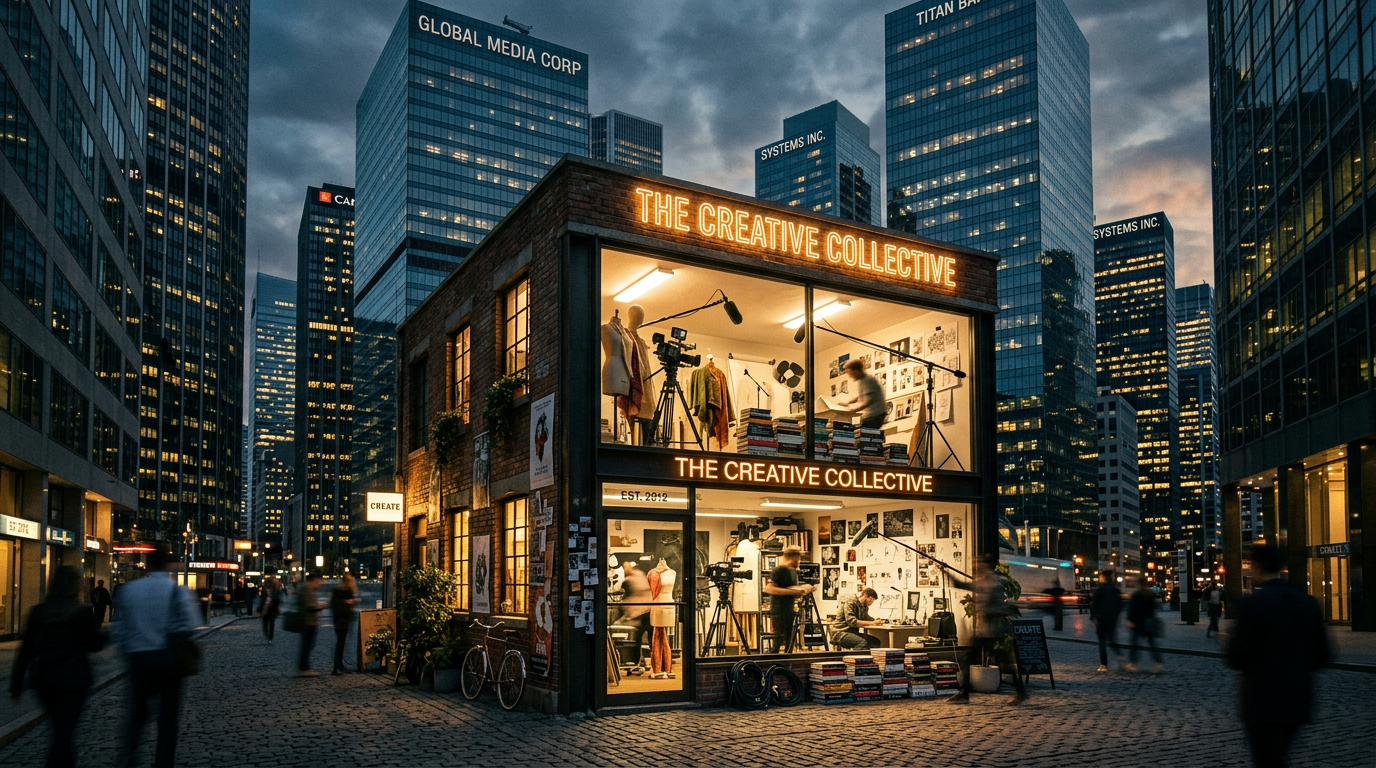
Why creative independence is celebrated even when the systems supporting it remain fragile
Within the creative industries, independence is frequently positioned as one of the ultimate measures of success. Designers are encouraged to launch their own labels rather than join established fashion houses. Musicians are urged to release work independently rather than sign traditional recording contracts. Writers and filmmakers are increasingly advised to bypass traditional publishing houses or studios in favour of direct distribution to audiences.
This cultural narrative reflects a broader shift in how creative careers are imagined. The rise of digital platforms and direct-to-consumer business models has created the impression that creators can maintain full control over their work while building sustainable businesses independently. The appeal of this model is understandable. Independence promises artistic autonomy, ownership of intellectual property, and the freedom to shape a creative vision without interference from institutional gatekeepers.
However, the operational realities of sustaining creative enterprises often complicate this ideal. While independence can provide creative freedom, it also transfers a wide range of responsibilities that were historically handled by industry institutions onto the creator themselves. This dynamic reveals a structural tension within the modern creative economy: independence is culturally celebrated even as the infrastructure required to sustain it remains uneven.
Structural Pressure
When creators operate independently, they must often construct the operational systems surrounding their work from the ground up.
In fashion, designers must manage manufacturing networks, coordinate distribution, oversee marketing strategies, and maintain direct relationships with customers. In music, independent artists are responsible for negotiating distribution agreements, managing intellectual property rights, organising tours, and sustaining audience engagement across digital platforms.
Similarly, authors who pursue independent publishing routes must oversee editing, production, marketing, and distribution which are all tasks that were traditionally managed by publishing houses.
While technology has made it easier for creators to reach audiences directly, it has not eliminated the need for the infrastructure required to support long-term growth. Instead, many creators now find themselves balancing creative work with the operational responsibilities of running a complex business. The tension between autonomy and infrastructure becomes particularly visible when examining how independent brands evolve over time.
Strategic Case Study
Virgil Abloh and the evolution of Off-White
The career of Virgil Abloh offers a revealing example of how creative independence often intersects with institutional partnership.
Abloh founded Off-White in 2012, positioning it at the intersection of fashion, street culture, and contemporary design. The brand quickly gained cultural traction, becoming influential not only within fashion but also across music, art, and youth culture. Off-White’s early success was built largely through independent creative experimentation. Abloh’s work resonated with audiences who valued its blending of high fashion aesthetics with streetwear sensibilities.
Yet as the brand expanded globally, its operational needs also grew more complex. Distribution networks, manufacturing partnerships, and international retail expansion required a level of infrastructure that independent labels often struggle to assemble alone. In 2021 the luxury conglomerate LVMH acquired a majority stake in Off-White while expanding its broader partnership with Abloh. The agreement provided the brand with access to global supply chains, financial resources, and distribution channels capable of supporting its continued growth.
This partnership illustrates a recurring pattern within the creative economy: independence may serve as the starting point of a brand’s cultural identity, but institutional infrastructure often becomes essential for long-term scalability.
Strategic Case Study
Independent music and the business architecture behind Chance the Rapper
The career of Chance the Rapper is frequently cited as evidence that artists can succeed outside the traditional record label system. Chance gained widespread recognition through mixtapes distributed freely online and built a devoted fan base without signing to a major label.
His success demonstrated how digital platforms could enable artists to reach global audiences independently. However, the infrastructure surrounding his career remained complex. While Chance maintained independence from major recording contracts, his business operations involved a network of managers, promoters, distributors, and corporate partnerships that supported touring, merchandising, and brand collaborations.
These partnerships provided the operational backbone necessary to sustain a career at an international scale. In this sense, the narrative of pure independence often obscures the sophisticated business ecosystems that support successful independent artists.
The case illustrates a broader reality: independence in creative industries frequently involves building alternative institutional structures rather than operating entirely outside them.
Cross-Industry Pattern
Similar dynamics can be observed across other sectors of the creative economy.
In publishing, authors who initially self-publish their work may later collaborate with established publishing houses to access wider distribution networks. In film, directors who begin their careers within independent cinema frequently partner with major studios when producing projects with larger budgets or global distribution ambitions.
These transitions do not necessarily represent a loss of creative autonomy. Instead, they reflect the recognition that scaling creative work often requires access to infrastructure that extends beyond the capabilities of a single individual or small team. The narrative of independence therefore requires careful interpretation. While independence can foster innovation and experimentation, it rarely eliminates the need for institutional support or the very need for structured support that helps creative expansion.
Systemic Implication
The continued celebration of independence within the creative industries reflects a desire for creators to maintain control over their work and the direction of their careers. However, when independence is presented as the ultimate objective without acknowledging the structural resources required to sustain it, the narrative becomes incomplete.
Independent founders frequently find themselves building not only brands but also the operational frameworks necessary to support those brands. Manufacturing networks, distribution channels, financial systems, and marketing infrastructures must all be assembled while the founder simultaneously develops creative output.
This concentration of responsibility creates structural vulnerability meaning when operational pressures intensify, whether through financial constraints, production delays, or public scrutiny, the absence of institutional infrastructure can place significant strain on independent founders. Understanding independence within the creative economy therefore requires moving beyond the romanticised narrative of the solitary creator and recognising the broader ecosystems that enable creative work to thrive.
Forward Inquiry
If independence alone cannot guarantee the sustainability of creative enterprises, a new question emerges: what forms of partnership or institutional support allow creators to maintain autonomy while gaining access to the infrastructure required for long-term growth?
This question becomes particularly relevant in industries where rapid visibility can create the appearance of success before the underlying financial structures of a brand are fully established.
The next investigation turns to one such sector, the beauty industry where several brands have recently achieved significant cultural recognition only to encounter the structural pressures that make long-term sustainability difficult. These cases offer important insight into how the dynamics explored throughout this series continue to shape the broader creative economy and what needs to change to support the growth of creators and founders.
Part of The Creative Collapse Series; an ongoing investigation into the structural pressures shaping the modern creative economy.