Episode 4: The Digital Courtroom
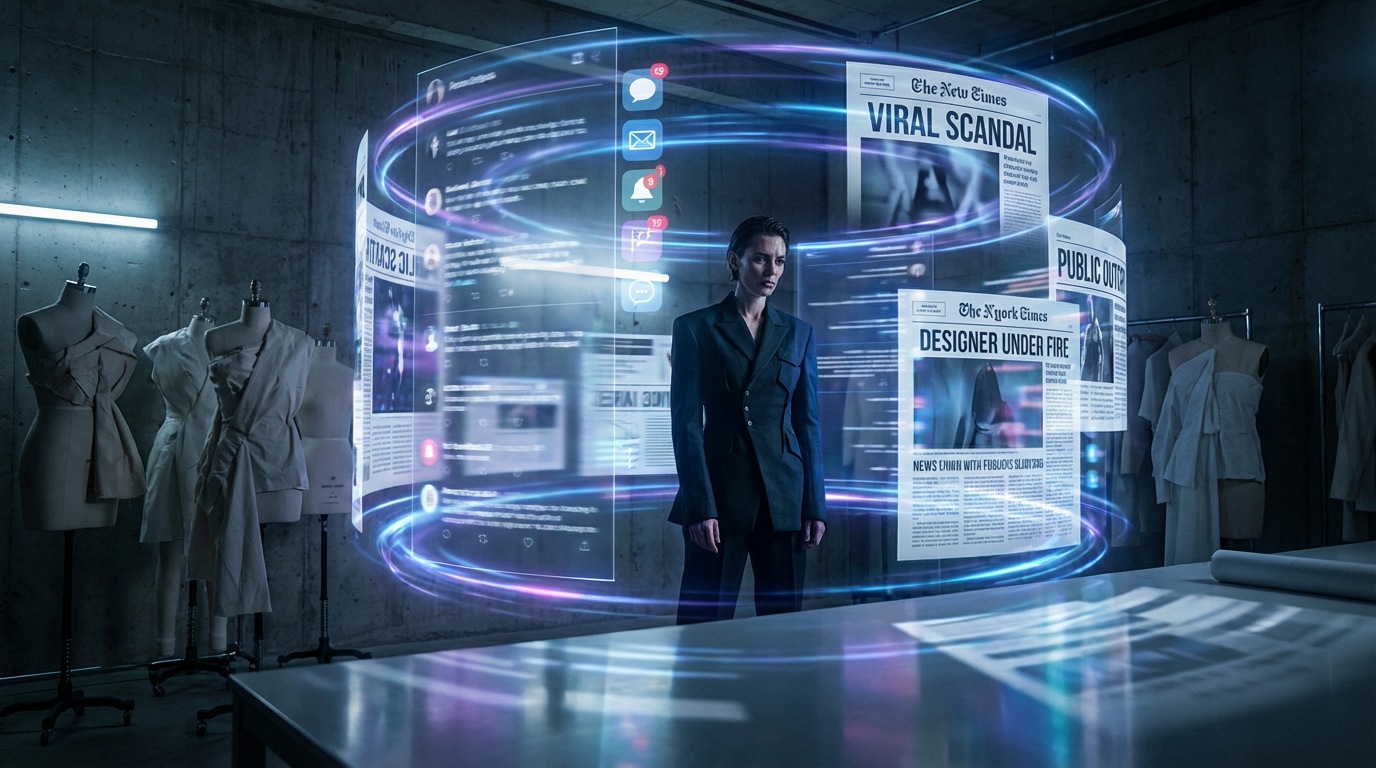
How social media transformed customer feedback into public judgment
Over the past decade, the relationship between brands and their audiences has undergone a fundamental transformation. Social media platforms have dramatically shortened the distance between companies and the consumers they serve. Customers now have the ability to communicate directly with brands in real time, sharing both positive and negative experiences with global audiences.
In many respects, this shift has created valuable opportunities for transparency and engagement. Consumers are able to hold companies accountable, and brands can build communities that extend beyond traditional marketing channels. Yet the same technologies that enable dialogue also introduce new forms of pressure for founders and independent businesses.
Operational challenges that once would have been handled privately through customer service channels now frequently unfold in highly visible digital environments. Delivery delays, product issues, or logistical miscommunications can quickly become topics of public conversation, sometimes reaching audiences far beyond the customers directly affected.
In this environment, the process of resolving operational problems often takes place in full view of thousands and sometimes millions of observers. For founders navigating complex production systems and financial constraints, this visibility introduces an additional layer of risk that did not exist for earlier generations of entrepreneurs.
Structural Pressure
Digital platforms operate according to incentives that differ significantly from those shaping traditional business communication. Social media algorithms tend to amplify content that generates strong emotional responses, including frustration, outrage, or controversy.
As a result, posts highlighting negative experiences with a brand may spread more rapidly than posts describing routine or satisfactory transactions. Even a small number of complaints can gain disproportionate visibility if they resonate with broader audiences.
For independent founders, this dynamic creates a difficult communication environment. Customer concerns that require careful, time-consuming resolution are often discussed publicly before the underlying issues can be addressed operationally. At the same time, the speed of digital discourse may encourage audiences to form conclusions based on incomplete information.
This phenomenon effectively turns social media into a kind of informal public tribunal in which brands must respond to criticism while simultaneously working behind the scenes to resolve logistical problems.
The pressure is intensified for smaller companies because they often lack dedicated communications teams capable of managing complex public narratives. In many cases, the founder becomes the primary spokesperson for the business, responsible not only for operational decision-making but also for responding to rapidly evolving online conversations.
The emotional weight of this role can be substantial. Founders must navigate customer expectations, protect the reputation of their brand, and maintain professional composure under conditions of intense public scrutiny.
Case Insight
The public conversations surrounding several independent brands in recent years illustrate how quickly operational challenges can evolve into reputational crises. Delayed orders, inventory shortages, or shipping complications; issues that are common within production-based industries may become highly visible once customers share their experiences online.
These conversations frequently attract participants who are not directly involved with the transactions themselves. Observers may offer opinions, interpretations, or criticism based on limited information about the internal realities of the business.
In such situations, founders must attempt to correct misinformation, reassure customers, and resolve logistical problems simultaneously. This balancing act can be extraordinarily difficult, particularly when the underlying issue involves manufacturing or supply chain disruptions that cannot be resolved immediately.
The public nature of these discussions can also obscure the complexity of the challenges involved. Manufacturing delays, for example, may involve multiple parties across different countries, each with their own operational constraints. Yet the digital narrative surrounding such delays often reduces the situation to a simple question of competence or responsibility.
For founders already managing financial and operational pressures, the additional burden of defending the brand in public can significantly intensify stress.
Systemic Implication
The emergence of the digital courtroom reflects a broader shift in how brand reputation is constructed in the contemporary economy. Public perception is increasingly shaped by real-time conversations that unfold across social platforms rather than by traditional media coverage alone.
While this environment allows consumers to share valuable feedback, it also introduces structural vulnerabilities for independent brands. Companies with extensive resources can employ specialised teams to monitor online discourse, respond strategically to criticism, and maintain consistent communication across platforms.
Smaller brands rarely possess such capabilities. Instead, they must navigate digital scrutiny with limited personnel and limited time while continuing to manage the operational responsibilities of running the business.
This asymmetry creates a situation in which founders face reputational risk that is disproportionate to their organisational capacity. Even when operational issues are eventually resolved, the digital traces of public criticism may remain visible long after the underlying problems have been addressed.
Over time, the cumulative effect of these pressures can reshape the entrepreneurial experience itself. Founders are no longer responsible only for building products and businesses; they must also function as public communicators capable of managing complex online narratives.
In other words, the role of the creative entrepreneur has expanded to include the responsibilities of a digital crisis manager.
Forward Inquiry
If public scrutiny now plays such a significant role in shaping the trajectory of creative brands, an important question emerges: how does constant visibility affect the sustainability of creative entrepreneurship?
Do the pressures of digital discourse discourage founders from pursuing long-term innovation? Are independent brands equipped to manage reputational challenges in environments where information spreads instantly and interpretations form rapidly?
These questions point toward a deeper issue within the creative economy: the personal and emotional cost of leadership under conditions of continuous public observation because behind every public brand stands a founder whose capacity to carry these pressures is not infinite.
The next investigation turns toward a dimension of entrepreneurship that remains largely invisible in discussions about business performance: the emotional and psychological strain experienced by founders responsible for sustaining creative companies over time.
Part of The Creative Collapse Series, an ongoing investigation into the structural pressures shaping the modern creative economy.